Persian Cats in Dubai: Grooming Challenges Most Owners Don’t Expect
Persian cats with their long hair and dense undercoat look luxurious, but it is this double coat that becomes the main source of problems in hot climates. In conditions of high temperatures, which can exceed 41°C and reach 45°C, as well as with humidity above 90%, hair care ceases to be an aesthetic issue and becomes a necessity for health.
Why Double Wool is Becoming a Problem
The double coat consists of long outer hairs and a thick undercoat. In theory, it should help regulate body temperature, but in conditions of heat and high humidity, it turns into a heat trap. Air circulation is disrupted, the skin does not “breathe”, and the natural cooling mechanisms stop working.
Cats don’t sweat like humans. They regulate temperature through breathing and self-cleansing. In case of overheating, this leads to the risk of hyperthermi. It is especially dangerous when the wool is tangled or tangles form, as matting and pelting additionally block heat transfer.
Matting, Tangles and Their Consequences
Matting is not just matted wool. The tangles tighten, pull on the skin and disrupt blood circulation. In advanced cases, this leads to soreness, skin irritation, and even necrosis.
A humid environment is created under the coils, in which bacteria and fungal infections actively develop. This increases the risk of dermatitis, hot spots, and other skin problems. With high humidity and heat, such conditions develop especially quickly.
Regular combing and removal of the undercoat can prevent these problems. Without this, even daily home care becomes ineffective.
Humidity and Skin Infections
High humidity is a separate risk factor. When the dense undercoat retains moisture, the skin remains permanently moist. It is an ideal environment for fungal infections and bacterial infections.
Symptoms may include:
- Skin irritation
- Unpleasant smell
- Redness
- Itching
If you do not ensure proper drying of the wool after bathing, the situation will only worsen. That is why drying wool plays a key role and often requires a professional approach.
Molting, Dust and Sand
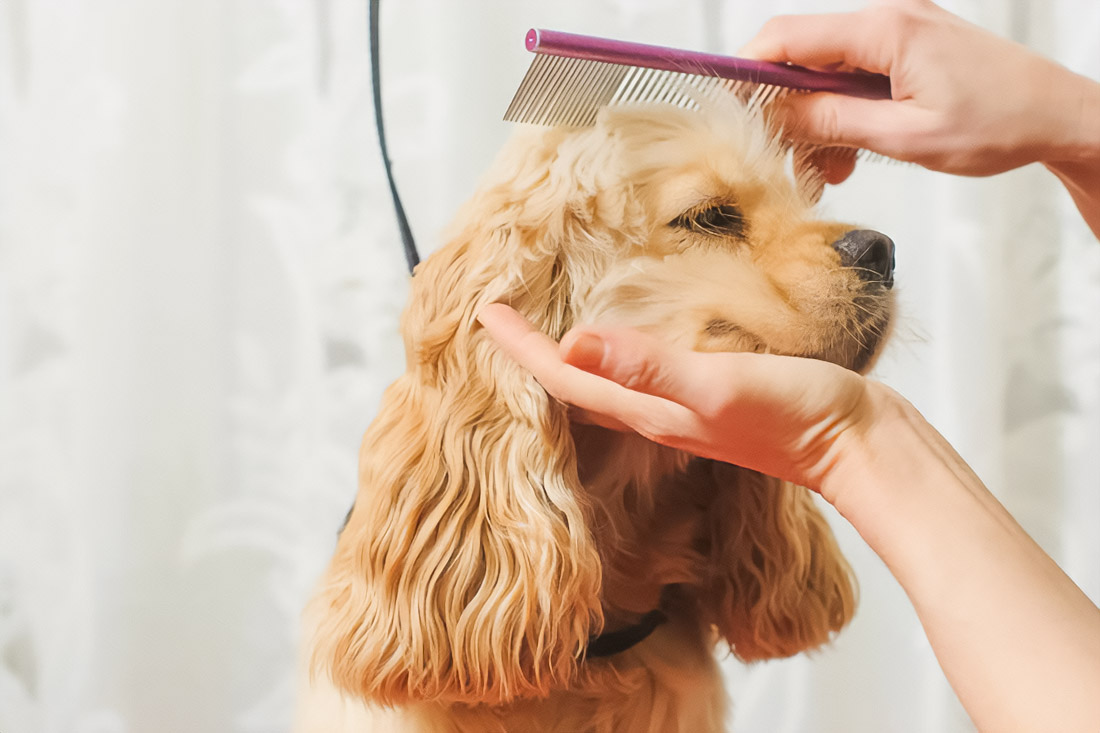
Moulting increases in hot climates. The body tries to reduce heat stress by getting rid of excess hair. At the same time, dust and sand settle on the wool, increasing skin irritation.
Without regular combing:
- The number of loose hair increases
- The risk of hairballs is increasing
- The skin condition worsens
Cats can spend up to 25-50% of their waking hours on self-grooming, but this is not enough, especially for long-haired breeds.
Daily Care and Tools
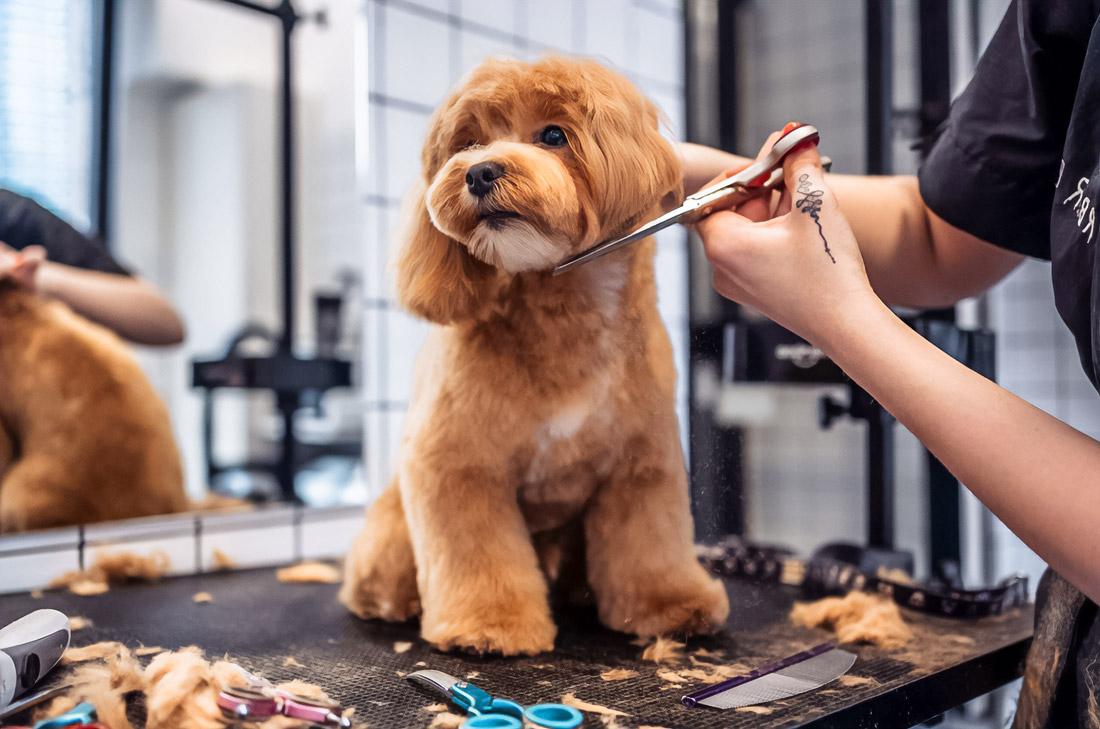
Home care should include daily brushing. It is optimal to devote 5-10 minutes a day. Used:
- Wide-tooth comb for detangling
- Slicker brush for loose hair removal
- Soft brushes for natural oils distribution
Regular brushing improves blood circulation, reduces shedding, and helps maintain coat health.
More thorough cleaning is required once a week, including:
- Eye cleaning
- Ear cleaning
- PAW and skin condition check
It is recommended to trim the claws every 2-4 weeks.
Bathing and Drying of Wool
Bathing is necessary approximately once every 3-4 weeks or up to 4-6 weeks, depending on the condition of the coat. Important:
- Use safe means
- Wash off shampoo completely
- Dry the wool thoroughly
Do not leave the undercoat wet. This is directly related to the development of fungal infections and skin irritation.
Care for Sensitive Areas
Special attention is required to the zones:
- Armpits
- Groin area
- The area behind the ears
- The area around the eyes
Persian cats have brachycephaly, which causes tear tracks. Without regular cleaning, this leads to bacterial contamination and an unpleasant odour.
Professional Grooming
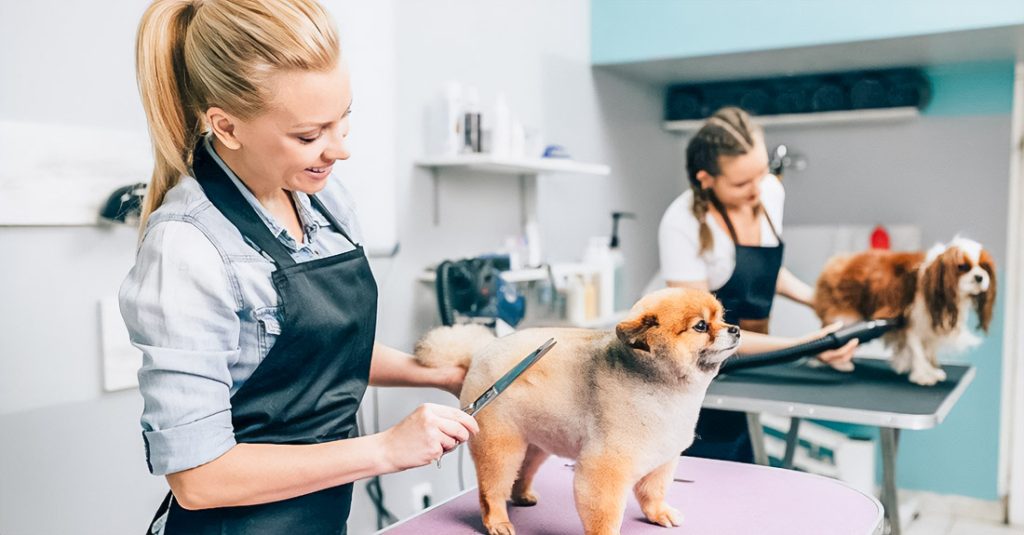
Home care is not enough for severe matting or excessive shedding. Professional grooming for cats is recommended every 6-8 weeks. During the hot season, the interval can be reduced to 4 weeks.
The procedures include:
- Removal of the undercoat
- Haircut (lion cut, teddy bear trim)
- Ear cleaning
- Nail trimming
- Skin treatment
This level of pet grooming for cats helps to reduce heat stress, prevent hyperthermia and improve the overall condition of the animal.
Behavior and Comfort
The condition of the coat directly affects the behaviour. Heavy, dirty, or matted wool causes stress, reduces activity, and can lead to so-called “grooming depression”.
After high-quality care, cats become the following:
- More active
- More relaxed
- More in touch
This is due to the fact that physical discomfort disappears.
Additional Factors: Hydration and Environment
Dehydration increases the dryness of the skin and worsens the condition of the coat. Sufficient water intake maintains skin elasticity and reduces the risk of irritation.
It is also important to consider:
- The effect of air conditioning
- Dry skin indoors
- Dust accumulation
All this requires regular care and monitoring of the skin condition.
Long hair and dense undercoat require systematic care. In conditions of heat, high humidity and dust, it becomes a matter of health. Regular combing, bathing, drying of wool and professional grooming can prevent matting, infections, overheating and other risks.
A cat’s comfort, temperament, and lifespan are all directly impacted by grooming, which is a continuous activity.