Luxury Winter Weddings in Dubai: Design Trends Inspired by Climate & Culture
The winter wedding season has long stopped being just a convenient time of year. It has evolved into a distinct genre, where space becomes a stage, guests turn into participants, and décor speaks the language of the couple’s story. In Dubai, this format has reshaped expectations, emphasizing atmosphere, narrative, and refined personalization. For a wedding planner in Dubai, this means working with immersive concepts, meaningful themes, and quiet luxury without excessive theatrics. By 2025, these principles have become firmly established, making wedding trends more precise, bolder, and deeply attentive to detail.
Plot, Floristry And Decor Architecture
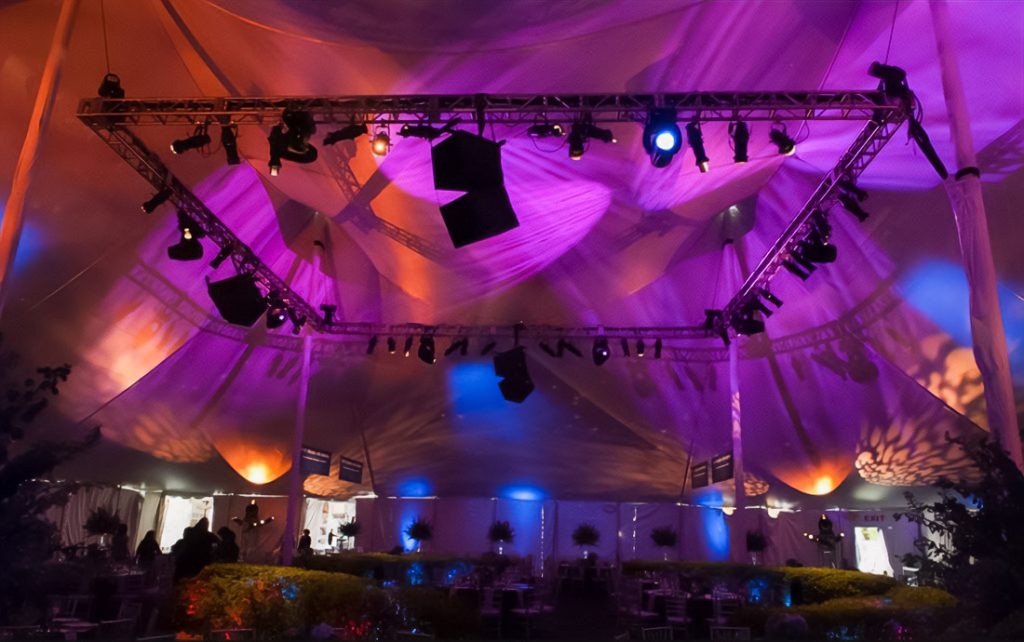
It all starts with an idea, and it has to keep in shape. Therefore, themed weddings are increasingly relying on expressive images: desert rose aesthetics or celestial love stories. These concepts are not “floating in the air”, they are built constructively through compositions, color, light and the rhythm of the zones.
Statement installations are in the foreground. These are sculptural floral installations, floral installations and whole floral ceilings that literally change the scale of the room from top to bottom. Floating orchids, cascading floral chandeliers, asymmetrical arches, and sometimes luxury flower walls are used, which are read as an independent decoration, not a background.
The entrance area becomes a separate act. Grand entrances enhance anticipation, especially when geometric mirrored arches and crystal tunnel walkways are used. Reflections make the space deeper, and metallic accents and mirrored surfaces collect light and return it to the hall, as if the second scene is hidden inside the first. As a result, decor does not work with individual objects, but with the whole architecture of the impression.
Light, Projections, And “Live” Technologies
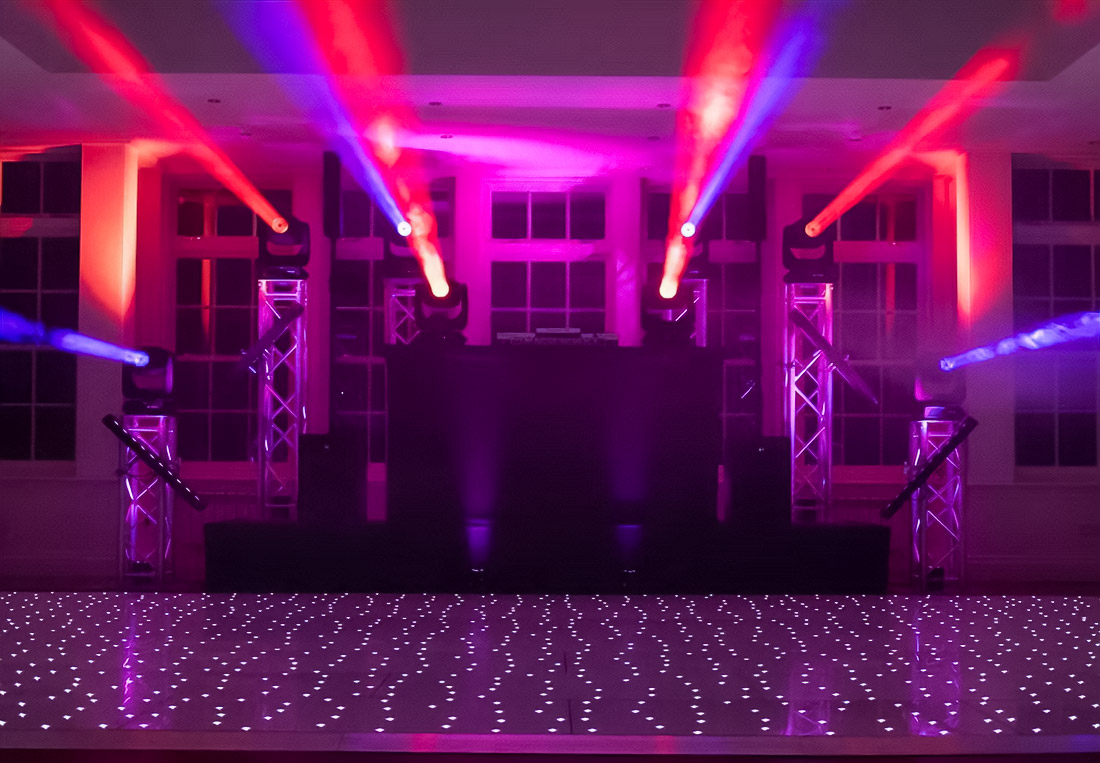
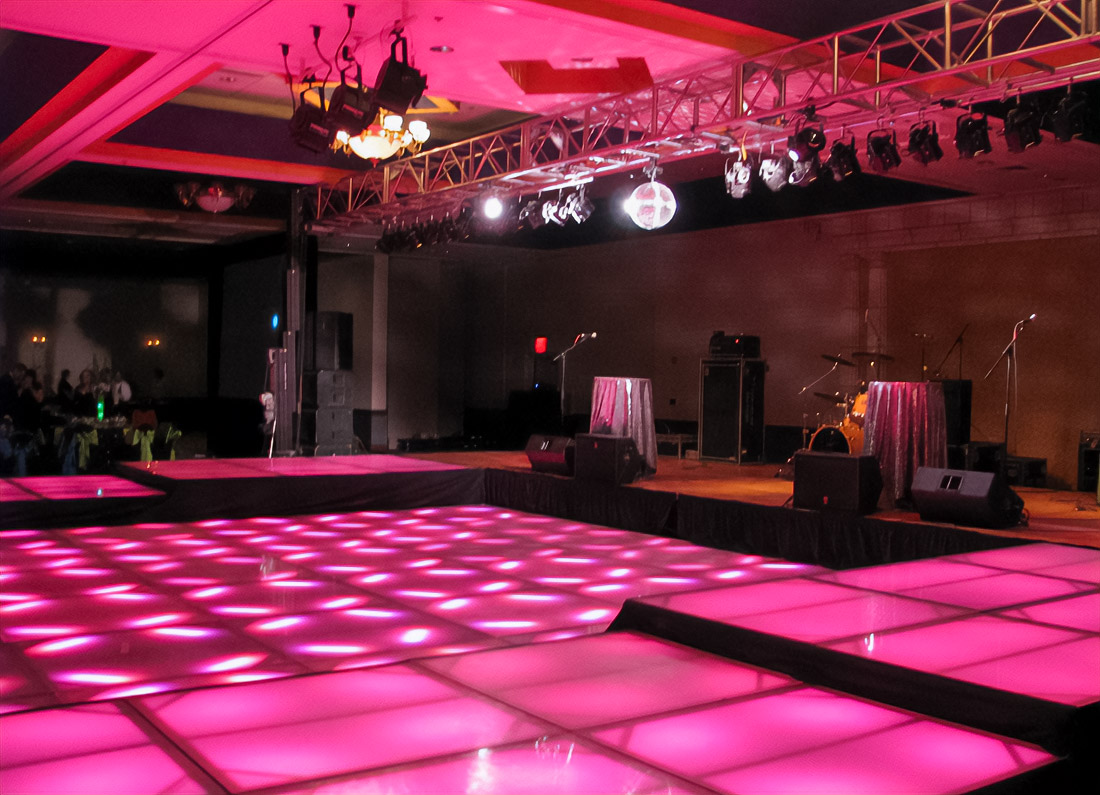
Lighting today is not about lighting, but directing. First, mood lighting is built, then candlelit pathways and hanging lanterns are added, and only then accents are included that change the atmosphere point-by-point. LED starry ceilings often appear so that the ceiling becomes part of the plot, and not just a surface.
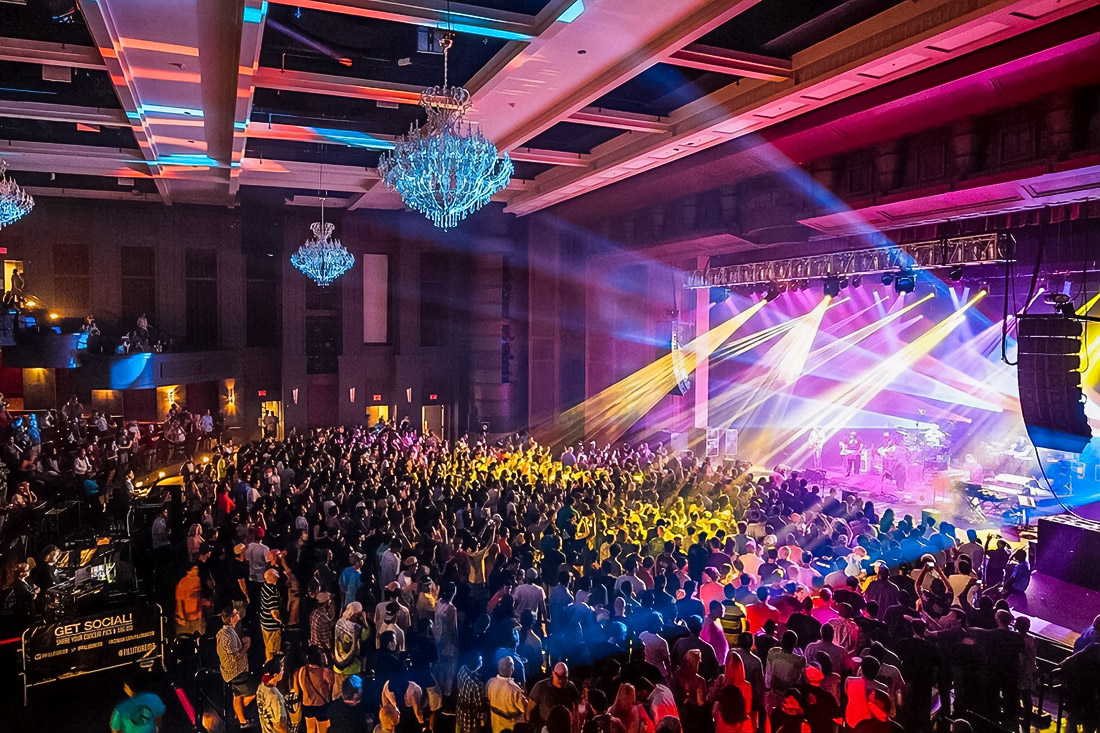
Then technology comes in, but without the feeling of an exhibition. Projection mapping and 3D projections are used on walls and ceilings, sometimes even on cakes, to support the wedding theme and connect different areas with one visual voice. Synchronized light shows and gobo lighting meet when the light “draws” a route or highlights moments without breaking the overall aesthetic.
The guest experience is also changing. QR-coded seating charts, live social media walls and interactive photo booths are used to make interaction easy and natural. AI-powered mood boards and digital twins are used to prepare the concept not for the sake of fashion, but for the sake of accuracy: to see the idea in advance and avoid accidental decisions.
Cultural Mix, Sustainability And New Formats
Dubai is strong because the cultural mix here does not look artificial. Cultural fusion arises organically: Arabic calligraphy juxtaposes with traditional patterns, Moroccan lanterns, Indian mandaps and Mediterranean-inspired motifs appear. And this affects not only the decor, but also the script.
Traditional weddings can last for several days. The program often includes mehndi decor, henna night and zaffa procession, plus traditional music, drums, dancing, and this adds density and meaning to the celebration. Even visual details adapt to this rhythm: personalized signage, monogrammed details, and custom place cards become not “cute little things”, but a way to respectfully identify culture and family.
At the same time, sustainable decor and eco-luxury are being strengthened. They use biodegradable decor, recyclable materials, locally sourced florals, seasonal blooms, dried flowers, reusable installations, and modular decor. There is reclaimed wood, organic textures (linen, jute), upcycled decor and biodegradable confetti. Tactility returns, and luxury ceases to be just a gloss.
The format of events is also changing. Micro weddings are gaining momentum: fewer guests, but more attention to the accuracy of decisions. Playgrounds are becoming more intimate boutique villas or yacht decks and designer tables are coming to the fore. Designer tablescapes are based on layered textures, couture linens and bespoke dinnerware, where each piece “holds” a style.
And finally, about pragmatics. Premium design often starts at about $20,000 and grows with the complexity of the concept and the scale of the installations. At the same time, the city, where cuisines of almost 200 nationalities are mentioned, gives a rare freedom of personalization from the menu to cultural accents. Everything converges to one point: the wedding becomes not a showcase, but a verified experience that is remembered by the body, light and meaning.