Turning Seasonal Rush into Order: Smarter Queue Mapping for Dubai Malls
Every winter, every summer and every “three days of super-sales” in Dubai is not just noise in shopping malls. These are waves of demand that raise revenue, tear up stocks, break queues, and test the strength of any strategy. In 2025, the winter campaign alone generated more than 30 billion AED, attracted over 10 million visitors, and gave small businesses 25-40% growth, while simultaneously raising stockout to 15% and returns to 20%.
Seasonal Spikes, Money, And Queues
There were 18 major sales in the annual calendar, and almost 10% of the city’s GDP was tied up in these events. Attendance grew to 18 million people, while 40% of purchases went online, forming a hybrid model: some people stand in line, some buy from the phone. Another statistic was hidden behind the same showcase. About 10% of the inventory went into overspending, another 20% turned into refunds, and almost a third of the advertisements were drowned in information noise. Some explosive moments were added to the peak days. Summer promotions more than doubled spending in 66 days, and the May three-day sale with discounts of up to 90% and 3,000 outlets became a stress test for logistics and queues.
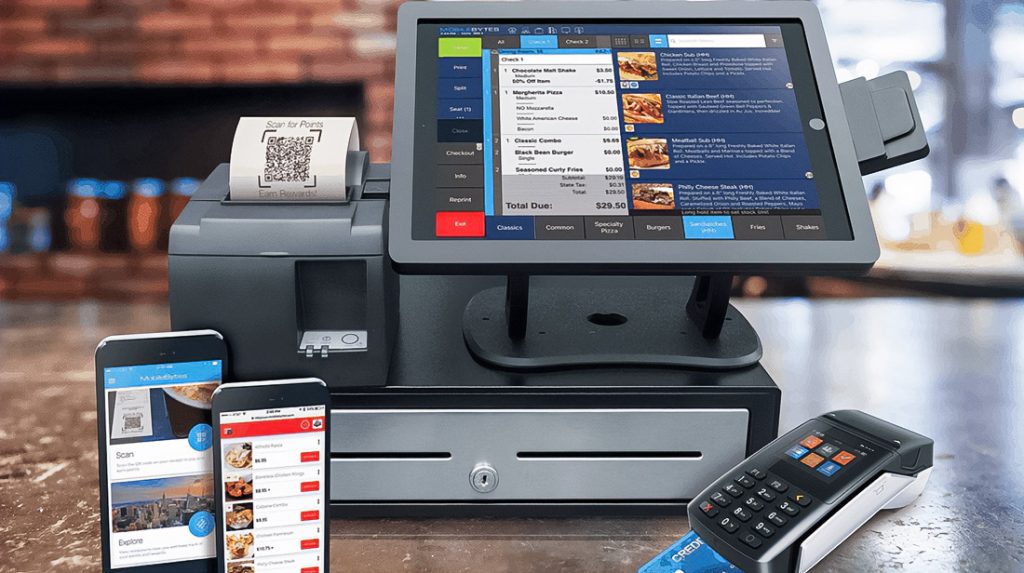
At the time of the influx of visitors, the queues “ate up” up to 15% of sales, turning into a hidden, but very expensive barrier. When QR queues and real-time flow control were introduced, waiting was reduced by about half, and pre-orders turned 40% of ordinary visitors into guaranteed buyers.
Navigation, AR, And Lost Sales
Large retail spaces have become like a maze. For 61% of customers, navigating inside giant squares is a key annoyance that easily turns into lost purchases. The search for the right store, temporary promotion, or pop-up point stretched into circles along the same corridors. To turn the chaos into manageable routes, they began to implement AR navigation, visual positioning and hints on top of the camera image. In applications, the positioning is updated two thousand milliseconds per cycle, which gives an accuracy of up to centimeters and allows you to guide a person along a “live” route.
At the same time, the shopping experience itself was changing. AR-fitting in retail reduced returns by almost 50% because the person saw the product “on himself” before the purchase.
Seasonal offers turned into themed itineraries. During the three-day super-sales with the same 90% discounts, AR tips could lead to temporary stands that were lost somewhere between the floors without navigation. Navigation became not just a way to “find a way out”, but a way to increase conversion, reduce fatigue, and, as part of customer journey management, redistribute the flow of people in congested areas.
Data, Stocks, Sustainability, And Next Season
There were tables behind a beautiful display case. Forecasting demand by SKU, taking into account seasonal surges and creating a buffer stock of 25% for bestsellers helped not to fall into the new 15% stockout. Repackaging summer leftovers into holiday kits yielded up to 25% stronger pre-winter sales results. When we looked at conversions, bounces in the cart, and campaign effectiveness on a daily basis, productivity increased by about 12% already in the first week of the sale.
Sustainability has also ceased to be just a slogan. Certified eco-friendly brands sold products for about 20% more expensive, and young buyers provided a quarter of winter sales. Individual cases showed how point solutions work. A small player made 800,000 AED for a three-day promotion with 30% growth and zero stockout. Another increased pre-sales by 25% and raised profits by 23%. The third earned 1.8 million AED in the winter season, while the ROI increased fourfold
All these stories lead to a simple but tough thought. Retail in Dubai no longer lives by the inertia of the holidays. She lives by the signals of queues, navigation, stocks, and returns. And those who can read these signals get not just a seasonal surge, but an increase of up to 100% with a well-thought-out strategy.